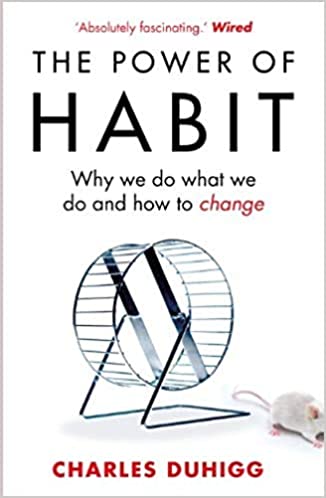
One of the key things discussed in The Power of Habit is the habit cycle: cue, routine, and reward. Your brain attempts to develop habits because it wants to optimize itself and develop routines, which allows it to perform activities with less mental effort. So much so that it’s actually observable in brain scans when a person is performing a routine versus a new activity.
It takes effort to develop habits, but once you do it changes the way your brain works. Your brain will intertwine the cue and the reward, which can result in things like anticipation and cravings. This is one of the tenets of the Noom weight-loss program as it tries to teach you to fight your current cravings and attempt to develop new habits. When something triggers a craving then you create (and repeat) a new routine with a new reward until that trigger no longer results in the original, harmful food craving. It can be difficult, but I can personally attest to how it helps when attempting lifestyle changes to lose weight.
The book discusses the discovery of this cue -> routine -> reward cycle and shares multiple stories of it in action. This includes early advertising methods that used it without knowing that they were, CEOs revamping their companies, and people improving their own personal lives. I very much enjoyed the anecdotes in this book and recommend it to everyone trying to make change in their own lives.
If you’re not convinced to read it, then I recommend you at least research keystone habits. Keystone habits are routines in your life that lead to a cascade of other routines. Identifying them in your life could help you make significant changes elsewhere. This is the reason most weight loss programs involve the step of documenting your daily food intake. By doing so, not only do you educate yourself on what you’re eating, but it causes you to question your future food decisions, which typically results in healthier eating.
 Get After It